
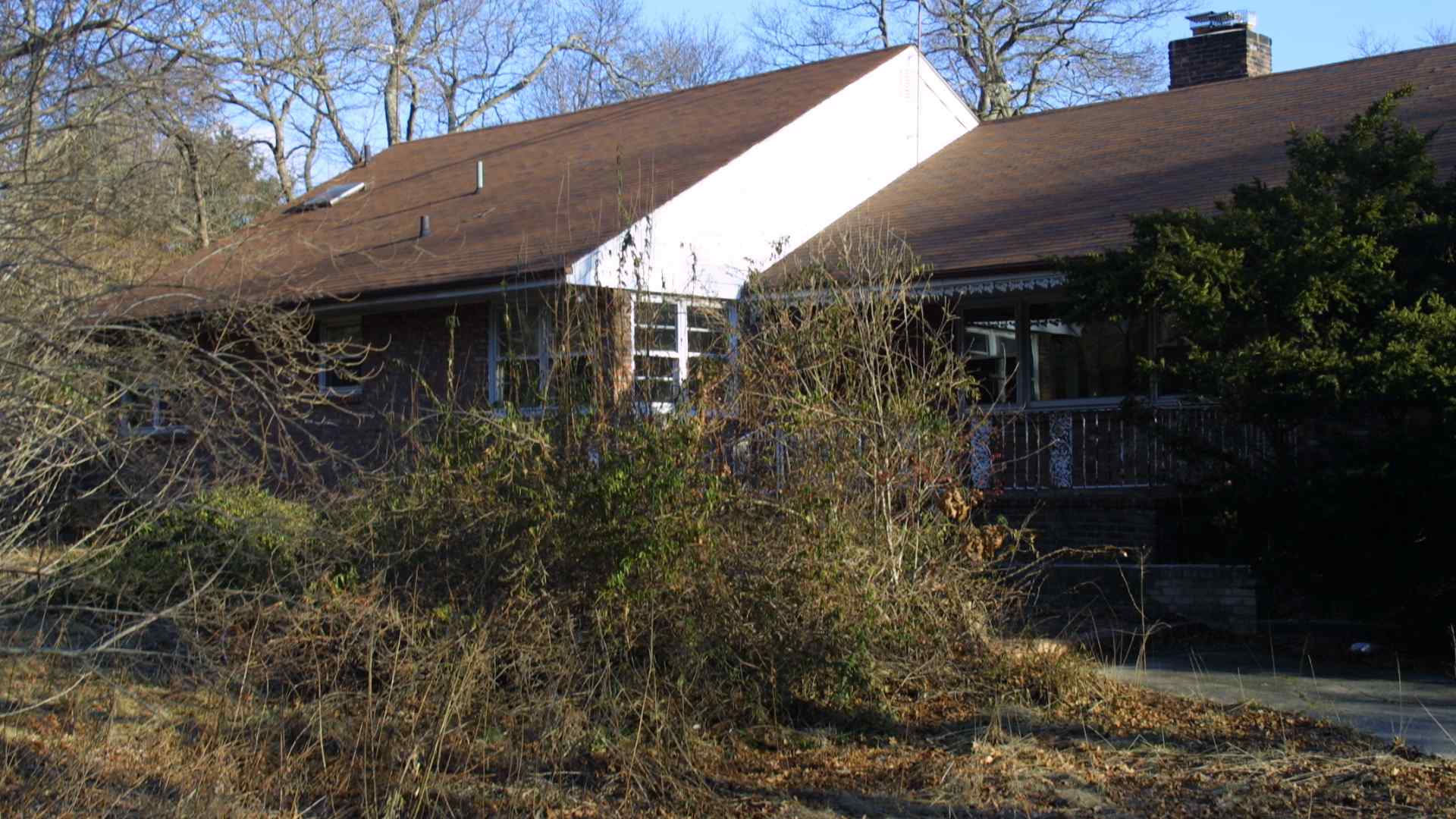
Nestled within the neighborhood of Candlewood Path in Dix Hills, New York, stands a house with a remarkable story to tell. This mid-century ranch-style home, originally built in the early 1950s, was once the residence of jazz legend John Coltrane, his wife Alice, and their children.
In 1964, the Coltrane family relocated from Queens to Long Island, seeking refuge from the pace and pressures of city life. John and Alice envisioned raising their young children in a setting that was more peaceful, spacious, and grounded. The home they chose offered just that. Located approximately 35 miles from Manhattan, it provided a rare balance—close enough for John to travel into the city for performances, yet far enough to offer the tranquility of suburban life.
John Coltrane would spend the remainder of his life in this home until his untimely passing at the age of 40. Alice and their children continued to live there until 1973, when she relocated to California. In the years that followed, the house passed through several owners and gradually fell into disrepair. Over time, its significance faded, and the legacy of this extraordinary place began to slip from public memory—until, decades later, it was rediscovered.
The revival of the Coltrane Home is a testament to the dedication and persistence of Dix Hills resident Steve Fulgoni and a growing community of supporters. A lifelong admirer of jazz and the expressive power of the saxophone, Fulgoni was deeply moved by John Coltrane’s music and the enduring spirit of the Coltrane family. As he explored Coltrane’s life more deeply, he learned that the family had once lived in Dix Hills.
At the time, the widely known location of the home was inaccurate, and its true whereabouts remained uncertain. Determined to uncover the truth, Fulgoni set out to locate the original residence. Despite having limited information, he remained committed to the search. In 2002, a breakthrough came when he discovered an online article by Art Rice, who recalled delivering medicine to the Coltrane home as a student.
Renewed with purpose, Fulgoni contacted Rice, hoping he might remember the address. Fortunately, Rice did—and shared the information that would ultimately lead to the rediscovery of the Coltrane Home.


